
Gardeners hands
Gardeners Hands
Written/Human authored by Anne Brookes
After an unusually hot (for Kings Norton in Birmingham, UK!) day early in May, I look down at my gardeners hands and
🟩 what do I see?
dirt under the nails, a couple of scratches on my arms - as the light of the sun going down shows the white lilac almost glowing alongside the honeysuckle reaching for the sky as it climbs the fence
🟡 and what do I hear?
short chirrups, a trio of tweets and the sweet song of a blackbird high on a chimney
🟦 and what do I feel?
the gloaming* is alive with life as May bursts in on us, full of promise and growth.
*as used by Scots: meaning twilight, dusk
Unleash the positive impact of nature AND microbreaks
📖 Read this article on 7 types of rest


Spring sunshine and a narrowboat on the Stratford canal
Spring sunshine and a narrowboat on the Stratford canal
WellBEING in 28 seconds!
WellBEING can happen any time and place you choose - inside or outside, in your imagination or real - it's a space to have a think or just chill...watch this short for an uplift...WellBEING in 28 seconds
sunshine & a #narrowboat #canal #shorts
WellBEING Shorts & DIY Life Coaching with microlearning videos from my YouTube channel YouTube Channel:
More about the WellBEING Bench with the Canalside Life Coach HERE
IMAGE: courtesy of MS Designer -
a springtime scene on the towpath of a canal with a canalboat moored, a wooden bench at the side of the towpath with a man sitting on it watching the ducks in the water. in a photorealistic style with soft pastel colours

Why Being Highly Sensitive is a Modern Super power
Why Being Highly Sensitive is a Modern Superpower
Highly Sensitive Persons (HSPs) have deep insight, empathy and awareness — learn how sensory processing sensitivity becomes a modern strength, not a liability.
People with high Sensory processing sensitivity or SPS are often referred to as Highly Sensitive Persons (HSPs) - it’s a natural individual difference in how people process sensory information. The trait occurs in about 15–20% of the population and is considered part of normal personality variation.
Important characteristics often include:
• Depth of processing — thinking deeply about experiences
• Overstimulation — becoming easily overwhelmed by intense sensory input
• Emotional reactivity and empathy
• Sensitivity to subtleties in the environment
You may have heard this called HSP or Highly Sensitive Person.
Sensory processing sensitivity (SPS) is:
✅ A biologically based personality trait
✅ Not a disorder or deficit
✅ Associated with deeper processing of stimuli and emotional richness
Recognise any of these?
✨ you have greater empathy and social insight
✨ you enyoy deep thinking and creativity
✨ you have acute perception of subtlety
✨ enhanced self-awareness and identity clarity
Positive Advantages & Strengths of SPS:
- Deep Thinking and Insight
HSPs tend to process information more thoroughly, leading to careful reflection, thoughtful decision-making, and an ability to notice patterns and meanings others might miss.
- Creativity and Aesthetics
Highly sensitive individuals often have enhanced aesthetic sensitivity — they may be deeply moved by music, art, and nature, and may express themselves creatively
- Empathy and Social Understanding
Greater emotional sensitivity means HSPs tend to be more empathetic and attuned to others’ feelings, which can foster stronger relationships, excellent listening skills, and supportive social roles
- Perceiving Subtleties
People high in SPS often detect subtle cues — like micro-expressions, nuanced emotional states, or slight changes in their environment — that others overlook, which can be an advantage in creative, interpersonal, or analytical work
- Heightened Response to Positive Environments
Research suggests that HSPs benefit disproportionately from supportive, positive environments — flourishing more than less sensitive people when circumstances are nurturing.
- Self-Knowledge and Growth
Identifying with SPS can boost self-esteem and self-understanding, especially for individuals who previously saw their sensitivity as a weakness
Watch the video: Beyond 'Too Sensitive'- turning deep feeling into superpower on my YouTube channel
DEFINITION of Sensory Processing Sensitivity
Sensory processing sensitivity (SPS) is a temperamental/personality trait characterized by: Heightened sensitivity of the central nervous system Deeper cognitive processing of physical, social, and emotional stimuli Greater awareness of subtle environmental cues and emotional signals
SOURCES:
- https://en.wikipedia.org/wiki/Sensory_processing_sensitivity : Sensory Processing Sensitivity
- Elaine Aron's book The Highly Sensitive Person was published in 1996.[13] In 1997 Elaine and Arthur Aron formally identified[4] sensory processing sensitivity (SPS) as the defining trait of highly sensitive persons (HSPs)
- https://pmc.ncbi.nlm.nih.gov/articles/PMC8650839 Individual Differences and Susceptibility to Burnout Syndrome: Sensory Processing Sensitivity and Its Relation to Exhaustion and Disengagement
I'll be wrting soon about the "wisdom harvest" as we reach our sixties - watch this space!
I am a qualified and certified Life Coach, NLP Coach and Practitioner and professionally qualified to use Time Line Therapy® and Advanced Coaching techniques that include Transactional Analysis (TA).

Winter is preparation for what's next
Winter isn't the end - it's preparation for what's next
Discover why personal “Wintering” isn’t stagnation but deep preparation — a soothing mindset shift to pause, protect and grow with purpose.
In nature, after the winter pause, sap rises, growth returns, buds open.
In our lives, after a season of Personal Wintering, we're better prepared to pivot and project.
These are the last Ps in my 4P Framework: Pause I Protect I Pivot I Project
FIND OUT MORE HERE
If you've been stuck, tired of carrying on without a pause, consider that maybe you're not meant to sprint ahead just yet.
Maybe the strength you need is being quietly built beneath the surface.
If you're curious how you can make that shift, book a coffee chat with me - complimentary introduction voice or video call:
Email or book a time with me for more information & FREE introduction call
WATCH my Canalside Life Coach videos on YouTube about Personal Wintering - ideas and soothing thoughts if you're going through a tough time:
Survive and Thrive after challenge or change with personal Wintering HERE
Personal Wintering Rest and Renewal with Anne's voice to calm and soothe... HERE
IMAGE shows A winter forest with sunlight breaking through and some daffodils growing through the virgin snow in a photorealistic style. (Microsoft Designer)
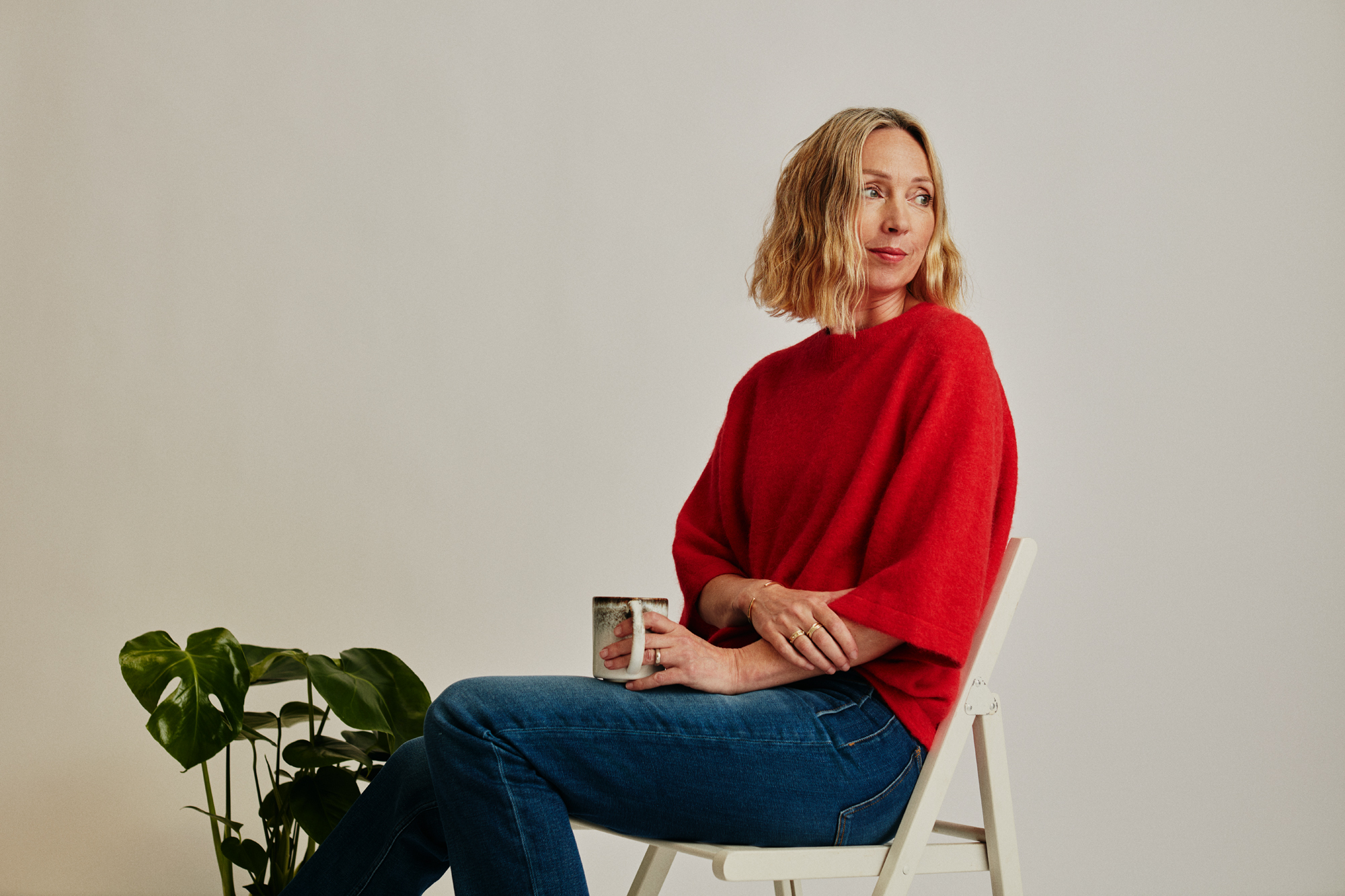
Reframing Your Perspective: use NLP
Reframing Your Perspective: use NLP
Reframe setbacks with powerful NLP techniques to shift your mindset, manage emotion, and turn loss into opportunity — practical strategies from Anne Brookes.
Let's say you've just lost a job, a common challenge in today's dynamic economy. NLP helps you shift your perspective.
Instead of viewing it as a failure, you reframe it as a chance for a fresh start, perhaps a career change in a field you've always been passionate about, like sustainable technology, that's booming right now.
One powerful NLP technique is anchoring. Think of a positive experience – maybe a time you felt incredibly confident and capable.
You can anchor that feeling to a physical action like a simple hand gesture. When you feel anxious about change, performing that action can trigger those positive emotions.
Learn to deep breathe when in a crisis, it calms your nervous system.
By using NLP strategies like reframing, we transform challenges into opportunities and regain control of our emotions in the face of change.
For a positive boost, watch this video on MY YOUTUBE channel @canalsidelifecoach
To learn more about NLP, have a look at my article
FURTHER READING 📚
• Get the Life You Want by Richard Bandler
• Words That Change Minds by Shelle Rose Charvet
Enjoy a FREE introduction coffee chat with me if you want to talk over anything that will help you: Email or book a time with me for more information
Find out more about meHERE
Image courtesy of Ageing Better